For Site Consultation | Call Us @ +919843167999 |

Green Architects

  • HOME
  • ABOUT US
  • SERVICES
    • Landscape Architecture & Design
    • Landscape Gardening
    • Tree Transplantation
    • Screen Planting
    • Steps in Garden
    • Irrigation
    • Topiary
    • Miyawaki
    • Garden Maintenance
    • Terrace Garden
    • Terrace Landscaping
    • Vertical Gardening
    • Row House Gardening
    • Parks
    • Water Falls
    • Water Fountains
    • Ponds
  • PORTFOLIO
  • CREDENTIALS
  • CLIENTS
  • CONTACT US
GETQUOTE

Terrace Garden Design in Chennai: Ideas, Costs and Coastal-Proof Plants
Wednesday, 01 July 2026 by Viju
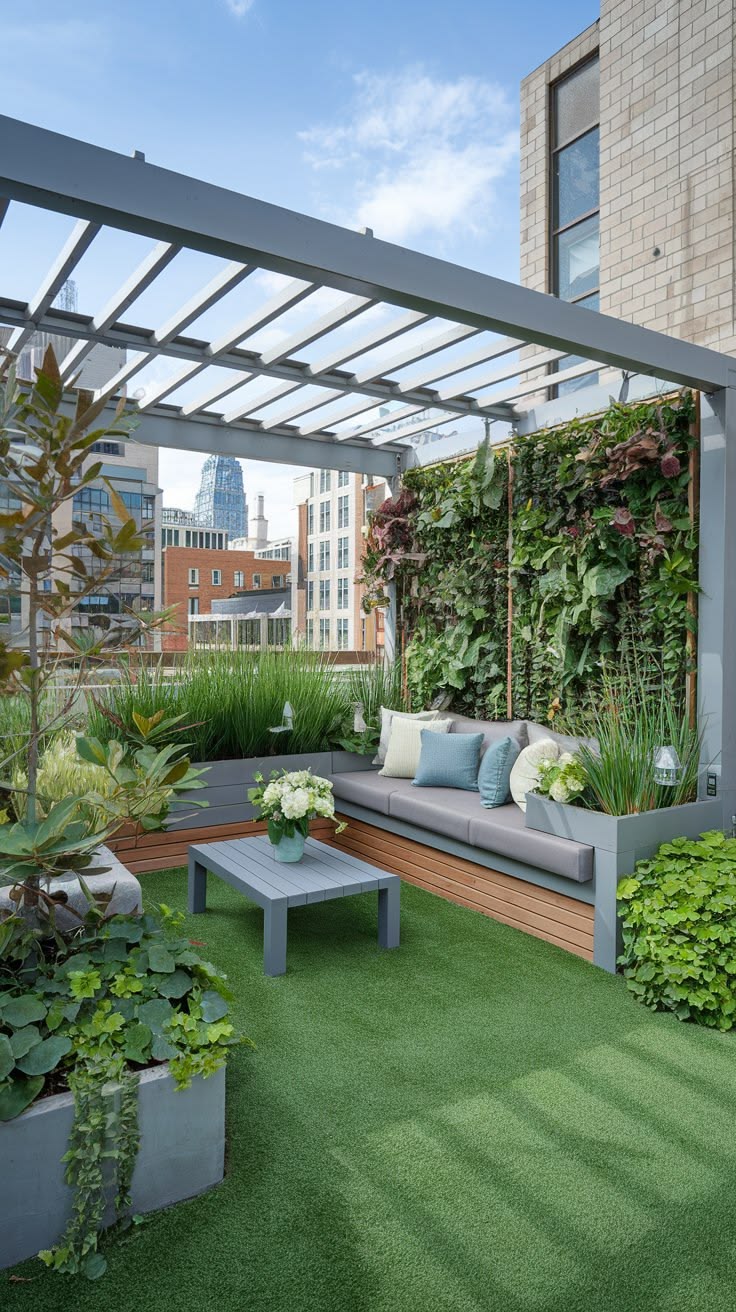
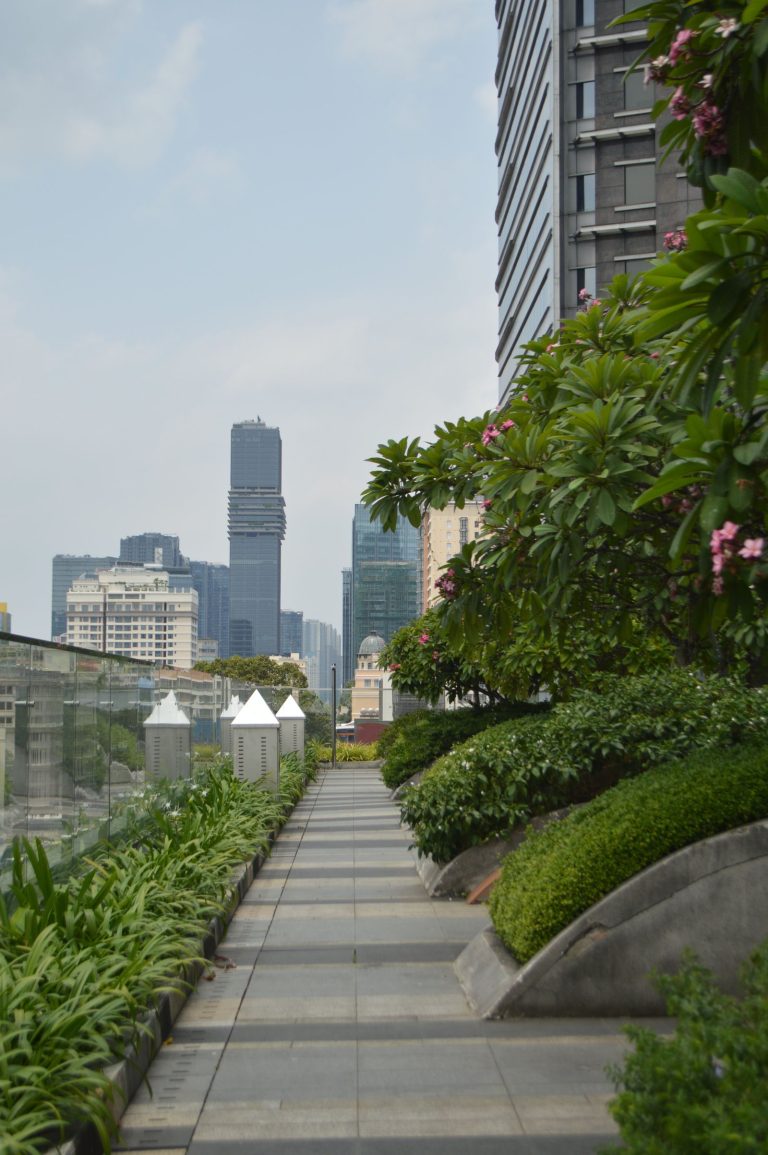
Lush planted rooftop garden walkway overlooking a city skyline

In a dense, fast-warming city like Chennai, a terrace garden is one of the smartest upgrades a home can have — it cools the floor below, adds usable outdoor space, and brings green into an apartment-heavy skyline. But Chennai’s coastal, hot-humid climate makes terrace gardening its own discipline: relentless heat, salt-laden air near the coast, and a north-east monsoon that can drop a month’s rain in days. Design for those conditions and a Chennai rooftop garden thrives with very little fuss.

Here’s how to plan one that lasts.

Chennai’s climate: what your terrace is up against

Three local realities shape every good terrace design in Chennai:

  • Heat and humidity, almost year-round. Rooftops bake under long hours of direct sun, and high humidity invites fungal problems on the wrong plants. The palette has to be heat-hardy and airy.
  • The north-east monsoon (Oct–Dec). When it rains in Chennai, it pours — and cyclonic gusts come with it. Drainage and waterproofing aren’t details here; they’re the whole game. Standing water on a flat roof is the fastest route to leaks.
  • Salt-laden coastal air. Near the coast — ECR, Besant Nagar, Thiruvanmiyur, Adyar — salt spray burns sensitive foliage and corrodes fittings. Coastal homes need salt-tolerant plants and corrosion-resistant hardware.

Design with heat, heavy rain and salt in mind and the rest is easy.

Step 1: Waterproofing and drainage come first — especially in Chennai

Given the monsoon, this is non-negotiable:

  • Waterproof the slab with a brick-bat coba layer (correctly sloped) or a modern membrane system — built to take sudden, heavy rain.
  • Engineer the slope and outlets so water always runs off fast and never ponds. Add a drainage layer (drainage cell or gravel + geotextile) under the soil.
  • Plan for load. Wet planters are heavy; keep deep beds over beams and walls, and keep the slab’s centre light with containers.

Skipping or skimping here is the one mistake that turns a garden into a leaking ceiling. If you’re unsure, have it specified — it’s exactly where professional landscape garden design in Chennai protects both the garden and the building.

Step 2: Design for shade and airflow

Because Chennai is hot for so much of the year, usable terrace gardens are shaded terrace gardens:

  • A pergola, shade sail or planted screen turns the terrace into an evening room instead of a furnace.
  • Airflow matters — in high humidity, crowded planting traps moisture and breeds fungus. Space plants, and let breeze move through.
  • Use a green parapet edge of taller plants to filter wind and sun, and zone a sit-out, a productive corner and a feature area.

Step 3: Coastal-proof, heat-hardy plants

Chennai rooftops reward tough, sun- and salt-tolerant species:

  • Flowering and screening: bougainvillea, hibiscus, allamanda, ixora, frangipani, oleander.
  • Coastal and structural: coconut and ornamental palms, sea-tolerant foliage, succulents and cacti for low-water accents.
  • Edibles: tomatoes, chillies, brinjal, greens and a hardy herb cluster (tulsi, mint, curry leaf) — kept where they get morning sun and afternoon relief.
  • Shade creepers over the pergola — money plant, passion flower, jasmine — to cool the sit-out.

Near the coast, lean harder into salt-tolerant species and avoid delicate, thin-leaved plants that scorch in spray.

Step 4: Smart irrigation for a humid-then-dry city

Install drip irrigation with a timer. It delivers water to the roots without wetting foliage (important in Chennai’s humidity, where wet leaves invite disease), saves water in the hot months, and is easy to dial back during the monsoon. Mulch holds moisture and keeps roots cool through the summer.

What does a terrace garden cost in Chennai?

As a rough 2026 guide:

  • Starter container garden: modest — pots, media and plants.
  • Designed terrace garden with waterproofing, drainage, raised beds, drip irrigation and planting: a one-time investment that protects the building and lasts years.
  • Premium terrace landscape with pergola, water feature, lighting and mature plants: higher, reflecting the structural and hardscape work.

In Chennai especially, the waterproofing and monsoon-grade drainage drive the cost more than the planting. A site visit gives a real figure — every rooftop and location differs.

Common Chennai mistakes to avoid

  • Under-building waterproofing/drainage for the north-east monsoon.
  • Crowded, airless planting that traps humidity and breeds fungus.
  • Using salt-sensitive plants on a coastal terrace.
  • Heavy concrete planters loaded across the middle of the slab.
  • Relying on hand-watering through the long hot season.

Plan a terrace garden built for Chennai

A Chennai terrace garden should stay cool in summer, shrug off the monsoon, and need only light care. With 25+ years and 500+ projects, Green Architects designs and builds rooftop gardens across Chennai that are structurally sound, coastal-proof and genuinely low-maintenance.

Explore our landscape garden design service in Chennai or call +91 98431 67999 for a site visit.


Frequently asked questions

How do I protect a Chennai terrace garden from the monsoon? With proper waterproofing, strong slope to outlets and a drainage layer under the soil, so heavy north-east monsoon rain runs off fast and never pools on the slab.

Which plants survive Chennai’s coastal heat and salt? Salt- and heat-tolerant species like bougainvillea, hibiscus, allamanda, frangipani, oleander, palms and succulents. Near the coast, avoid delicate thin-leaved plants prone to salt burn.

Does humidity cause problems on a Chennai terrace? It can — crowded, wet foliage invites fungus. Space plants for airflow and use drip irrigation that waters roots, not leaves.

How much does a terrace garden cost in Chennai? It depends mostly on waterproofing and monsoon-grade drainage, then planting and features. A site visit gives an accurate quote for your roof and location.

Do you maintain terrace gardens after building them? Yes — flexible and annual maintenance plans keep the planting, irrigation and drainage in good shape so the terrace stays low-effort year-round.

Read more
  • Published in Blog
No Comments

How to Start a Terrace Garden in Coimbatore: A Step-by-Step Guide

Monday, 29 June 2026 by Viju

Starting a terrace garden in Coimbatore is one of the most rewarding things you can do with an unused rooftop — extra greenery, home-grown vegetables, a cooler house and a calm outdoor space. The city’s moderate, Western-Ghats-influenced climate makes it forgiving for beginners. The trick is to do the boring structural steps first, then build up gradually. Here’s the order that actually works.

Step 1: Check your roof before you plant

A terrace garden adds weight, water and moisture to your slab, so begin with the structure:

  • Assess the load. A wet planter is heavy. For more than a few containers, have the slab and beams checked, and plan to keep heavier elements over walls, beams and columns.
  • Look for existing leaks or damp. Fix them now — a garden will only make a pre-existing waterproofing problem worse.
  • Note sun and wind. Watch where the sun falls through the day and which edge catches the most wind. West-facing zones get the harshest afternoon heat; plan shade and tougher plants there.

Step 2: Waterproof and drain (the step you can’t skip)

This is what protects your building, so never plant directly onto the bare slab:

  • Waterproof the surface — a brick-bat coba layer with proper slope, or a modern membrane system.
  • Create slope to outlets so water always moves and never pools.
  • Add a drainage layer — a drainage cell or gravel-and-geotextile bed under the soil — so roots stay healthy and the slab stays dry through Coimbatore’s monsoon bursts.

If this stage feels beyond a DIY weekend, it’s worth getting it specified professionally by the best landscape architects in Coimbatore — it’s the difference between a garden that lasts and a leaking roof.

Step 3: Choose containers and raised beds

Rather than a continuous bed of heavy soil, most Coimbatore terraces work best with:

  • Raised beds along the perimeter (over structural supports) for larger plants and vegetables.
  • Containers and grow bags for flexibility — you can move them, group them and control weight.
  • Lightweight planters (fibre, plastic, geotextile) instead of heavy concrete where you can.

Keep deep-soil, heavy zones to the edges; keep the middle of the slab light.

Step 4: Use the right growing media (not garden soil)

Ordinary garden soil is too heavy and drains poorly on a roof. Use a lightweight potting mix — typically a blend of cocopeat, compost and a little soil or perlite. It holds moisture, drains well, and keeps the load on your slab manageable. Top with mulch to lock in moisture during the dry months.

Step 5: Start with easy, sun-tolerant plants

Begin with hardy species suited to Coimbatore rooftops, then expand as you gain confidence:

  • Flowers: bougainvillea, hibiscus, ixora, frangipani, jasmine.
  • Foliage and low-water: curry leaf, succulents, palms in pots, ornamental grasses.
  • Easy edibles: tomatoes, chillies, brinjal, spinach and other greens, plus herbs — tulsi, mint, coriander.

Group plants by how much water they need so watering stays simple and efficient.

Step 6: Set up watering you won’t have to think about

The most common reason beginner terrace gardens fail in Coimbatore is inconsistent watering through the hot season. Install drip irrigation with a timer early. It uses far less water than a hose, keeps everything alive while you’re away, and prevents both drought stress in summer and overwatering during the rains.

Step 7: Grow gradually and maintain lightly

Start small — a few beds and containers — get the watering and drainage right, then add zones: a shaded sit-out under a pergola, a vertical garden panel, a small water feature. A well-built terrace needs only light upkeep: seasonal pruning, topping up media, and keeping drainage outlets clear.

A quick recap

  1. Check load, leaks, sun and wind.
  2. Waterproof and add drainage — always.
  3. Use raised beds and containers over supports.
  4. Fill with lightweight media, not garden soil.
  5. Start with hardy, sun-loving plants.
  6. Install drip irrigation with a timer.
  7. Expand gradually and maintain lightly.

For inspiration on layouts, zoning and planting schemes, see our companion guide on terrace garden design in Coimbatore.

Want it done right the first time?

If you’d rather skip the trial and error — especially the waterproofing and structural steps — Green Architects designs and builds terrace gardens across Coimbatore that are sound, beautiful and easy to maintain, backed by 25+ years and 500+ projects.

See our landscape garden design service in Coimbatore or call +91 98431 67999 for a site visit.


Frequently asked questions

Do I need to waterproof my terrace before starting a garden? Yes, always. Plant onto a waterproofed, sloped surface with a drainage layer — never the bare slab. It protects your building and your plants.

What soil should I use for a terrace garden in Coimbatore? A lightweight potting mix (cocopeat, compost, a little soil/perlite) — not heavy garden soil, which overloads the slab and drains poorly.

Which plants are easiest for a beginner terrace garden? Hardy, sun-loving plants like bougainvillea, hibiscus, curry leaf and succulents, plus easy edibles like tomatoes, chillies and herbs.

How often should I water a terrace garden in Coimbatore? With drip irrigation and mulch, much less than by hand. A timed drip system keeps plants healthy through the dry season and avoids overwatering in the monsoon.

Can I start small and expand later? Absolutely — that’s the best approach. Begin with a few beds and containers, get the watering and drainage right, then add zones and features over time.

Read more
  • Published in Blog
No Comments

Terrace Garden Design in Coimbatore: Ideas, Costs and the Right Plants

Monday, 29 June 2026 by Viju
Designed rooftop terrace garden with ornamental grasses, clipped shrubs and a dining area on a modern building

A well-built terrace garden turns unused rooftop space into the coolest, greenest room in a Coimbatore home — literally. With the city’s Western-Ghats-tempered climate and long growing season, terraces here can support everything from a productive vegetable patch to a lush evening retreat. But a terrace garden is also a piece of building engineering: get the waterproofing, load and drainage right first, and the planting takes care of itself.

This guide covers what actually works on Coimbatore rooftops — the design decisions, the plant palette suited to local conditions, realistic costs, and the mistakes worth avoiding.

Why terrace gardens suit Coimbatore

Coimbatore enjoys a gentler climate than much of the Tamil Nadu plains. The Western Ghats moderate the heat, evenings are pleasant for much of the year, and the growing window is long. That makes the city genuinely well-suited to rooftop gardening — but three local realities shape every good design:

  • Hot, dry summers and seasonal water stress. April–June rooftops get intense sun, and water needs careful management. Drip irrigation and drought-tolerant species aren’t optional extras here — they’re the foundation of a low-maintenance terrace.
  • Red and black soils, and weight. Garden soil is heavy, especially when wet. On a terrace you design around weight, using lightweight growing media rather than ordinary garden earth.
  • Monsoon bursts. When the rain comes, it comes hard. Drainage and waterproofing have to handle sudden volume without pooling.

Design with these three in mind and a Coimbatore terrace garden stays healthy with surprisingly little upkeep.

Step 1: Waterproofing and structure come first

The single most expensive mistake in terrace gardening is planting first and waterproofing later. Before any soil goes down:

  • Waterproof the slab properly. A brick-bat coba layer with correct slope, or a modern APP/membrane system, protects the structure from root and moisture damage. This is the work you never see — and the work that decides whether your roof is sound in ten years.
  • Build in slope and drainage. Water must move to outlets, never sit. A drainage cell or gravel-and-geotextile layer under the soil keeps roots healthy and the slab dry.
  • Respect the load. A saturated planter is heavy. Concentrate weight over beams and columns, keep deep soil zones to the perimeter, and use raised beds and containers rather than a continuous earth bed. For anything beyond light container gardening, have the structure assessed.

If you’re unsure about your slab, this is exactly where professional landscape garden design in Coimbatore pays for itself — a designer specifies the build-up so the planting never threatens the building.

Step 2: Plan zones, not just plants

Treat the terrace like a room. The best rooftop gardens in Coimbatore are zoned:

  • A green edge of taller, screening plants along the parapet for privacy and a wind/sun buffer.
  • A sit-out zone — a pergola, shade sail or planted screen makes the terrace usable through the hot months, not just at dawn and dusk.
  • A productive corner for herbs, greens and vegetables within easy reach of water.
  • Lightweight feature elements — a small water feature, vertical garden panel, or container grouping as a focal point.

Keep circulation clear, keep the heaviest elements over structural supports, and let the lightweight zones float across the middle of the slab.

Step 3: The right plants for a Coimbatore terrace

Rooftops are hotter, brighter and windier than ground level, so the palette leans toward tough, sun-loving, container-friendly species:

  • Flowering and screening: bougainvillea, hibiscus, nerium (oleander), frangipani (temple tree), jasmine, ixora.
  • Foliage and structure: curry leaf, areca and table palms in large pots, ornamental grasses, succulents and cacti for low-water accents.
  • Edibles: tomatoes, chillies, brinjal, spinach and other greens, plus a herb cluster — tulsi, mint, coriander, curry leaf.
  • Shade and softening: creepers trained over a pergola (passion flower, money plant, jasmine) to cool the sit-out.

Group plants by water need so irrigation is efficient, and favour lightweight, well-draining media over heavy garden soil.

Step 4: Irrigation and ongoing care

Install drip irrigation with a timer from day one. On a Coimbatore terrace it cuts water use dramatically, keeps plants alive through the dry season without daily hand-watering, and is the difference between a garden that thrives and one that struggles every April. A thin mulch layer holds moisture and keeps roots cool.

Beyond that, terrace gardens are low-effort if they’re well-built — seasonal pruning, topping up media, and watching drainage outlets. Many homeowners pair the build with a simple garden maintenance plan so the rooftop stays sharp without it becoming a weekend chore.

What does a terrace garden cost in Coimbatore?

Costs vary widely with size, structure and ambition, but as a rough guide for 2026:

  • Light container/starter garden: modest, mostly pots, media and a few plants.
  • Designed terrace garden with proper waterproofing, drainage, raised beds, drip irrigation and a planting scheme: a meaningful one-time investment that protects the building and lasts years.
  • Premium terrace landscape with pergola, water feature, lighting and mature specimen plants: higher, reflecting the structural and hardscape work.

The honest answer: the waterproofing and structure drive cost more than the plants. A site visit gives you a real number — every rooftop is different.

Common mistakes to avoid

  • Planting before waterproofing the slab.
  • Using ordinary garden soil (too heavy, poor drainage) instead of lightweight media.
  • Ignoring load distribution and concentrating weight mid-slab.
  • Skipping drip irrigation and relying on daily hand-watering.
  • Choosing shade-loving plants for a fully exposed, west-facing terrace.

Ready to plan your terrace garden?

A terrace garden should make your home cooler, calmer and more valuable — not leak, crack or die back every summer. With 25+ years and 500+ projects across the Kongu region, Green Architects designs and builds rooftop gardens that are sound, beautiful and easy to live with.

Explore our landscape garden design service in Coimbatore, or call +91 98431 67999 for a site visit.


Frequently asked questions

Is a terrace garden safe for my building in Coimbatore? Yes — when it’s built correctly. Proper waterproofing, slope, drainage and load planning protect the slab. The risk comes from planting without these. Have the structure assessed before a heavy installation.

Which plants are best for a Coimbatore terrace? Sun- and drought-tolerant, container-friendly species: bougainvillea, hibiscus, frangipani, palms, succulents, plus edibles like tomatoes, chillies and herbs. Group them by water need and use lightweight media.

How much water does a terrace garden need? Far less with drip irrigation and mulch. In Coimbatore’s dry months a timed drip system keeps the garden healthy without daily hand-watering and avoids overwatering during the monsoon.

How much does a terrace garden cost in Coimbatore? It depends mostly on the waterproofing and structure, then the planting and features. A site visit gives an accurate quote because every rooftop differs in size, slope and load.

Do you maintain the terrace garden after building it? Yes — flexible and annual maintenance plans keep the planting, irrigation and drainage in good shape so the terrace stays low-effort year-round.

Read more
  • Published in Blog
No Comments

Vertical Gardens (Green Walls) for the Indian Climate: Systems, Plants & Cost

Sunday, 28 June 2026 by Viju
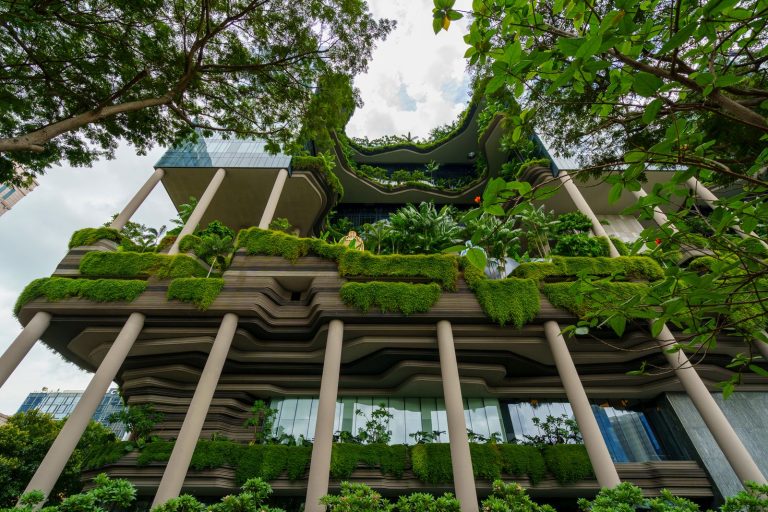
Modern building with cascading vertical gardens and lush planted terraces

A vertical garden in India adds a dramatic burst of greenery where there’s no ground to plant in. Green Architects designs, installs and maintains vertical gardens engineered for the Indian climate — waterproofing, structure, planting and irrigation handled end to end.

Vertical garden green wall — a lush living wall for the Indian climate

Key takeaways

  • Living walls save space, cool the building and make a strong visual statement.
  • Choose plants to match the wall’s exact light, and water with an automatic drip line.
  • Waterproofing and a maintenance plan are what keep a green wall lush for years.

On a bare compound wall, a balcony, a reception lobby or a restaurant façade, a living wall turns flat, lifeless surface into a cool, calming feature. In India’s tight, hot cities, vertical gardens are increasingly popular for homes and businesses alike. Here’s how they work and what to expect.

What is a vertical garden?

A vertical garden is a wall covered in living plants growing in a structured system — not simply climbers on a trellis. Plants root into pockets, panels or modules, fed by an integrated irrigation line. They fall into two families: green façades (climbers up a support, economical but slower) and living walls (modular systems planted across the whole surface, faster impact and far more design flexibility).

Why vertical gardens work so well in India

  • They save space — wall area is often the only “land” available in dense cities.
  • They cool the building — a living wall shades and insulates the surface behind it.
  • They clean and soften the air — foliage traps dust and adds humidity in dry months.
  • They make a statement — an instant, memorable branding feature for any business.

Choosing the right system

The system determines cost, durability and maintenance: pocket/felt systems (economical, flexible), modular panel/tray systems (robust, easy to replace plants, ideal for large commercial walls), and freestanding green dividers for interiors. Every good system shares the same essentials — a waterproof barrier, a structural frame, a growing medium and an integrated irrigation line. We plan all of these together in our vertical gardening projects.

Best plants for Indian green walls

  • Shade / indoor walls: money plant, philodendron, syngonium, ferns, peace lily and spider plant.
  • Bright / outdoor walls: ixora, portulaca, dwarf bougainvillea, ophiopogon and song of India.
  • Texture and contrast: mix leaf shapes, sizes and shades of green to keep a wall interesting even without flowers.

Watering: the make-or-break detail

A living wall lives or dies by its irrigation. Because the growing volume is small and gravity drains water downward, walls are watered little and often through a drip line across the top of each row, usually on a timer. Larger walls add a recirculation tank so water and nutrients are reused — the same precise, automated principles we apply in smart irrigation.

What does a vertical garden cost?

FactorEffect on cost
System typePanel/modular systems cost more than pocket or façade systems
Size & plant densityLarger, denser walls cost more
Irrigation & automationRecirculating, automated systems add cost but cut upkeep
Indoor vs outdoorIndoor walls may need supplementary lighting

Because conditions vary so much wall to wall, a site visit is the only way to give an accurate figure.

Where vertical gardens work best

  • Homes & apartments — balcony privacy screens or a living-room feature wall.
  • Offices & receptions — a powerful first impression and a wellbeing boost.
  • Restaurants & hotels — photogenic interiors and façades that draw footfall.
  • Hospitals & showrooms — greenery lowers stress and sets a space apart.

Keeping a green wall healthy

Living walls need regular, knowledgeable care — checking irrigation, trimming, feeding and swapping out any struggling plant. Neglect shows quickly on a vertical surface, so most clients keep their wall at its best with a scheduled maintenance contract.

Frequently asked questions

Do vertical gardens damage the wall behind them?
Not when installed correctly. A waterproof barrier between the system and the wall protects the structure.

How often does a green wall need watering?
Usually little and often via an automatic drip line — frequency depends on plant type, light and season. Automation makes it effortless.

Which plants are best for an indoor green wall?
Shade-tolerant foliage like money plant, philodendron, syngonium, ferns and peace lily thrive indoors with minimal light.

Can I install a vertical garden on a balcony?
Yes — balconies and boundary walls are among the most popular spots, using modular systems with built-in irrigation.

Build your green wall with Green Architects

From a single balcony feature to a large commercial façade, we design, install and maintain vertical gardens engineered for the Indian climate. Explore our vertical gardening work or request a site assessment.

Read more
  • Published in Blog
No Comments

Low-Maintenance Landscaping for Indian Homes & Gardens

Sunday, 28 June 2026 by Viju
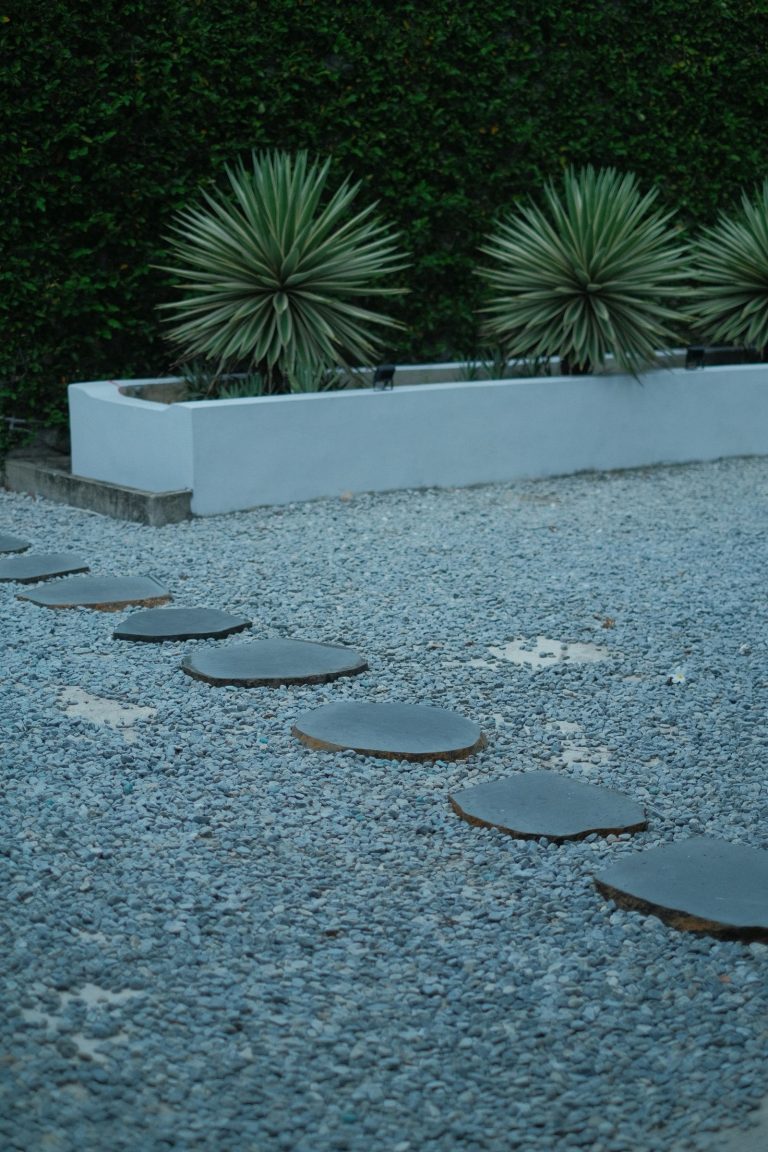
Low-maintenance garden with a gravel path, stepping stones and drought-tolerant agave planting

Want a green, attractive garden without the weekend-consuming upkeep? Green Architects designs low-maintenance landscaping across India — combining smart landscape design, hardy planting and automated irrigation so your garden almost looks after itself.

Low-maintenance landscaping for Indian homes — a hardy, easy-care garden

Key takeaways

  • The biggest maintenance savings are designed in — layout first, plants second.
  • Shrink the lawn, mulch the beds and automate watering to cut most of the work.
  • Choose hardy, climate-adapted plants that thrive on neglect.

A low-maintenance garden isn’t about settling for less. With the right design decisions, plant choices and irrigation, you can have a lush outdoor space that stays beautiful with a fraction of the effort. Here is how we approach it for homes and apartments across India.

Low-maintenance landscaping starts with design, not plants

The biggest savings are designed in long before planting. A garden that is hard to maintain is usually one laid out without maintenance in mind — fiddly lawn edges, scattered beds, thirsty plants in the wrong spots. A few design moves make the biggest difference:

  • Reduce the lawn — grass is the most demanding element; replace part of it with paving, gravel, ground covers or beds.
  • Group plants by water need (hydrozoning) so each zone is watered correctly.
  • Use generous, mulched beds — fewer, larger beds are easier to manage, and mulch suppresses weeds.
  • Choose hardscape wisely — paths, decks and seating are essentially zero-maintenance and give year-round structure.

Pick plants that thrive on neglect

  • Drought-tolerant shrubs: bougainvillea, ixora, oleander, hibiscus and crotons.
  • Tough ground covers: wedelia, portulaca and ornamental grasses that crowd out weeds.
  • Architectural foliage: agave, snake plant and palms that look striking with little care.
  • Native and adapted trees that establish quickly and rarely need pampering.

The principle is simple: favour plants adapted to your local climate and soil over exotic, thirsty varieties that fight the conditions.

Mulch: the easiest upgrade you’re probably skipping

A 5–7 cm layer of organic mulch over your beds suppresses weeds, dramatically slows evaporation so you water less, and improves the soil as it breaks down. For a low-maintenance garden it is one of the highest-return tasks you can do.

Automate the watering

Hand-watering is the most time-consuming task and the easiest to automate. A drip system on a timer delivers water straight to the roots, on schedule, using far less than a hose or sprinkler. For mixed gardens, zoning means each plant group gets exactly what it needs — see our smart irrigation work.

Low-maintenance ideas for apartments and small spaces

  • Vertical gardens green a balcony or wall without using floor space, with built-in drip lines — see our vertical gardening approach.
  • Container groupings of hardy plants are simple to manage and rearrange.
  • A small Miyawaki planting packs a dense, self-sustaining mini-forest into a small area.

Five mistakes that quietly raise your maintenance

  1. Too much lawn — keep it only where you’ll use it.
  2. The wrong plant in the wrong place — match every plant to its light and water.
  3. Bare soil — un-mulched beds invite weeds and dry out fast.
  4. Hand-watering everything — automate it with drip.
  5. No plan for upkeep — schedule occasional professional checks.

“Low maintenance” still means some maintenance

Even the easiest garden benefits from occasional attention — a seasonal prune, a soil top-up, an irrigation check. The difference is these become a few scheduled visits rather than a constant burden. Many homeowners cover this with an annual maintenance contract.

Frequently asked questions

What is the most low-maintenance type of garden?
One built around hardscape, drought-tolerant plants, mulched beds and drip irrigation — with little or no lawn — needs the least work while still looking lush.

Which plants need the least care in Indian gardens?
Hardy, climate-adapted species such as bougainvillea, ixora, oleander, snake plant and ornamental grasses thrive with minimal watering and pruning.

Is a lawn high maintenance?
Yes — lawns are usually the most demanding part of a garden. Reducing lawn area is the single biggest way to cut upkeep.

Can an apartment balcony be low maintenance?
Absolutely — vertical gardens with built-in drip lines and hardy container plants keep balconies green with little effort.

Design a low-maintenance garden with Green Architects

For 25+ years we’ve designed outdoor spaces across Tamil Nadu and beyond that look beautiful without demanding your weekends. From landscape gardening to irrigation and ongoing care, we plan low maintenance in from day one. Talk to us about your space.

drought tolerant gardeneasy care plants Indialow-maintenance garden
Read more
  • Published in Blog
No Comments

Drip Irrigation & Smart Watering for Gardens in Tamil Nadu

Sunday, 28 June 2026 by Viju
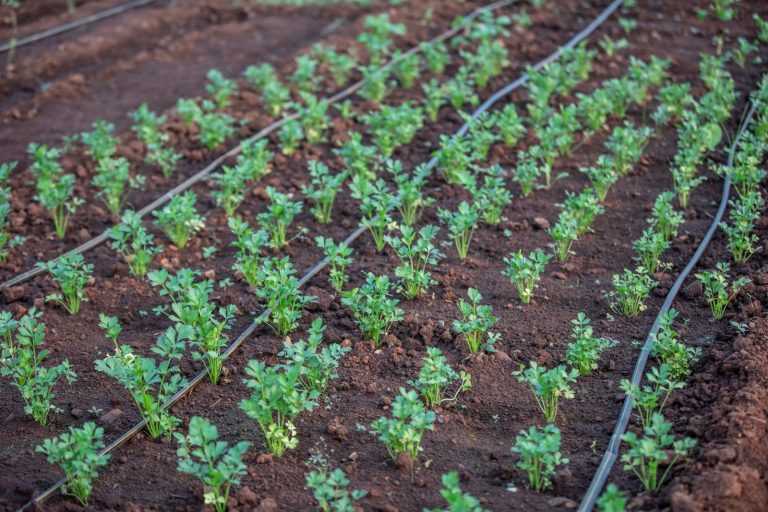
Drip irrigation tubing delivering water to rows of young plants in red soil

In Tamil Nadu’s heat, how you water matters as much as what you plant. Green Architects designs efficient drip irrigation and smart-watering systems for homes, terraces and commercial landscapes — properly filtered, correctly zoned and built to last.

Drip irrigation for gardens in Tamil Nadu — an efficient garden watering system

Key takeaways

  • Drip irrigation delivers water to the roots, saving a lot of water versus hoses and sprinklers.
  • Filtration and zoning are essential with Tamil Nadu’s hard water and mixed planting.
  • A timer or smart controller means the garden waters itself, even while you’re away.

Hand-watering with a hose is wasteful, uneven and time-consuming — and in peak summer it often isn’t enough. Drip irrigation solves all three problems: it delivers water exactly where plants need it, on a schedule, using a fraction of the water.

What is drip irrigation?

Drip irrigation is a network of pipes and tubing that delivers water slowly and directly to the base of each plant through small emitters. Instead of spraying water where much of it evaporates or runs off, it releases water right at the root zone, drop by drop — so plants get a steady, deep supply and almost nothing is wasted.

Why drip beats hoses and sprinklers in our climate

  • It saves a lot of water — minimal evaporation, a major advantage where water is scarce or metered.
  • Healthier plants — consistent, deep watering builds stronger roots; dry foliage reduces fungal disease.
  • Fewer weeds — only planted areas get watered.
  • It saves your time — on a timer, the garden waters itself, even when you travel.

The main components of a garden drip system

  1. Water source and timer/controller — runs the system on schedule.
  2. Filter — essential with Tamil Nadu’s hard, silty water to stop emitters clogging.
  3. Pressure regulator — keeps flow steady so every plant gets an even share.
  4. Mainline and lateral tubing — carries water into each bed.
  5. Emitters / drippers — release water at each plant, sized to its needs.

Hard water and clogging are the most common reasons cheap systems fail here, which is why proper filtration and quality fittings matter. We build these details into every irrigation installation.

Zoning: water each area correctly

A lawn, a vegetable patch, potted plants and shrubs all want different amounts of water. Zoning splits the system into independently controlled sections so each gets the right schedule — the difference between a system that merely works and one that’s genuinely efficient. It pairs naturally with hydrozoned, low-maintenance planting design.

Going “smart”

A basic timer is already a huge upgrade. Smart controllers go further — adjusting watering by weather, skipping cycles after rain, and letting you control everything from your phone. It’s equally valuable on rooftops, where we integrate drip lines into every terrace landscaping and vertical garden project.

Common drip irrigation mistakes to avoid

  • No filter (or a cheap one) — the number-one cause of clogged, patchy watering.
  • Wrong emitter flow — match flow to each plant, not one size for all.
  • Skipping the pressure regulator — plants near the tap drown while far ones go dry.
  • “Set and forget” all year — a summer schedule drowns plants in the monsoon.

Best practice: water early, deep and on schedule

Run the system in the early morning so plants drink before the heat and foliage dries quickly. Favour fewer, deeper waterings over frequent shallow ones to encourage strong roots. And revisit the schedule each season — what a garden needs in May is very different from the monsoon.

Maintenance keeps it efficient

Drip systems are low-maintenance but not no-maintenance. Filters need periodic cleaning, emitters occasionally need flushing, and the schedule should shift with the seasons. A quick seasonal service, often bundled into an annual maintenance contract, keeps the system at peak efficiency.

Frequently asked questions

How much water does drip irrigation save?
A great deal versus hoses and sprinklers, because water goes straight to the roots with little lost to evaporation or run-off.

Can drip irrigation be used for pots and terraces?
Yes — drip lines with individual emitters are ideal for containers, terrace gardens and vertical gardens, all on one timer.

Will hard water clog the system?
It can without proper filtration. A good filter and quality fittings prevent clogging; periodic cleaning keeps emitters flowing.

Is drip irrigation worth it for a small home garden?
Yes — even small gardens benefit from the water savings, healthier plants and automated watering, especially when you travel.

Set up smart watering with Green Architects

We design and install efficient drip and smart-irrigation systems for homes, terraces and commercial landscapes across Tamil Nadu — properly filtered, correctly zoned and built for our climate. Learn more about our irrigation services or book a site assessment.

Read more
  • Published in Blog
No Comments

How to Choose a Landscape Architect in India: Process, Costs & Questions to Ask

Sunday, 28 June 2026 by Viju
Modern designed landscape garden with a geometric pool and manicured shrubs

Knowing how to choose a landscape architect in India is one of the most important decisions for any outdoor project. Choosing the right landscape professional shapes your outdoor space for decades. This guide explains what a landscape architect does, how the process works, what it costs, and the questions to ask — from a firm that has delivered landscape design across Tamil Nadu for 25+ years.

How to choose a landscape architect in India — a professionally designed landscape garden

Key takeaways

  • A landscape architect combines design with technical site planning — not just planting.
  • Choose a firm that can design, build and maintain, for one accountable point of contact.
  • Judge on completed projects, technical depth and local experience — not just the lowest quote.

Get the choice right and you gain a thoughtful, durable, low-maintenance space that adds real value. Get it wrong and you can end up with a pretty plan that drains, plants or budgets can’t sustain.

Landscape architect, designer or gardener — what’s the difference?

  • A gardener / landscaper focuses on planting and maintaining — lawns, beds, pruning.
  • A landscape designer plans the look and layout of gardens, usually residential.
  • A landscape architect combines design with technical and site planning — grading, drainage, hardscape, planting and irrigation — for larger and more complex projects.

For anything involving levels, water, structures or scale, a landscape architect brings the depth to make it work in the real world — the heart of good landscape architectural design.

How to choose a landscape architect: what the process looks like

  1. Site assessment & brief — space, soil, sunlight, drainage, how you’ll use it, budget.
  2. Concept design — layout options, mood, key features and planting themes.
  3. Detailed design — levels, hardscape, planting plans, irrigation and lighting.
  4. Execution / build — groundwork, hardscape, planting and systems installed.
  5. Maintenance — establishing the planting and keeping it healthy as it matures.

A firm that carries a project across all of these stages gives you a single accountable point of contact and a more coherent result.

What does hiring a landscape architect cost?

Projects are quoted as a design fee, a percentage of project cost, or a full design-and-build package, and the total depends on scale, site complexity, materials and planting. Rather than chase the cheapest number, weigh scope, site complexity, materials, longevity and ongoing maintenance. A transparent firm explains exactly what’s included and gives a realistic figure after seeing the site.

Questions to ask before you hire

  • Can I see relevant past projects? Browse their portfolio and client list.
  • Do you handle design, build and maintenance? End-to-end accountability avoids finger-pointing.
  • How do you handle drainage, waterproofing and irrigation? Their answer reveals technical depth.
  • What plants will you use and why? Good firms choose climate-adapted species.
  • What are your credentials and references? Check their credentials.

Red flags to watch for

  • A quote with no site visit.
  • No interest in your drainage, soil or how you’ll use the space.
  • A portfolio of glossy renders but few completed, maintained projects.
  • Pressure to decide quickly, or a price that seems too good to be true.
  • No clear plan for keeping the landscape alive after it’s built.

What good design actually saves you

Good design saves money in ways that never appear on the first invoice: lower water bills, fewer plant replacements, no expensive slab or drainage repairs, less ongoing labour, and higher property value. A cheap design that ignores these usually costs more over its life.

Why local experience matters

Tamil Nadu’s heat, monsoon, soils and water are specific. A firm with deep local experience knows which plants survive the summer and how to drain a site before the monsoon. If you’re searching for landscape architects in Trichy or elsewhere in the state, prioritise a long, visible local track record.

Frequently asked questions

What does a landscape architect actually do?
They design and plan outdoor spaces — combining aesthetics with grading, drainage, hardscape, planting and irrigation so the landscape looks good and lasts.

Do I need a landscape architect for a home garden?
For a simple planting refresh, a designer may be enough. For levels, drainage, water features or scale, a landscape architect’s technical planning is worth it.

Should the same firm design and maintain my garden?
It’s a real advantage — one accountable team and no gaps where responsibility falls through.

How do I check a landscape firm is reputable?
Review completed projects, credentials and client references, and ask specific questions about drainage, waterproofing, plant choice and maintenance.

Work with an experienced team

Green Architects has spent 25+ years designing, building and maintaining landscapes across Tamil Nadu and beyond — for homes, corporates, institutions and townships. See our work, review our credentials, or get in touch to discuss your project.

Read more
  • Published in Blog
No Comments

Best Plants for Chennai Gardens: A 2026 Planting Guide

Sunday, 28 June 2026 by Viju

Chennai’s climate is demanding — long hot summers, high humidity, salty coastal air, and a heavy north-east monsoon. The secret to a garden that looks good all year isn’t constant effort; it’s choosing plants that are built for these conditions in the first place. This guide covers the best trees, shrubs, flowers, and low-maintenance greenery for Chennai gardens, plus simple care tips to keep them thriving.

What Chennai’s climate means for plant choice

Before picking plants, it helps to understand what they’re up against. Summers run hot and dry from March to June, humidity stays high for much of the year, and the north-east monsoon (October to December) can dump heavy rain in short bursts. Gardens near the coast and ECR also deal with salt-laden air and sandy soil.

The plants that thrive here share a few traits: heat and drought tolerance, the ability to handle humidity without fungal problems, and — for coastal sites — salt tolerance. Choose for those traits and your garden needs far less water, replacement, and fuss.

Best trees for Chennai gardens

Trees do the heavy lifting in a hot climate, providing shade that cools the whole garden. Reliable choices for Chennai include:

  • Neem — hardy, evergreen, fast-growing shade with natural pest-repelling qualities
  • Pungai (Indian Beech) — an excellent avenue and shade tree that tolerates coastal conditions
  • Copper Pod — broad canopy with bright yellow flowers
  • Tabebuia and Frangipani (Temple tree) — ornamental, drought-tolerant flowering trees
  • Indian Almond — coastal-friendly with dense shade

A note of caution: showy but weak-wooded trees like Gulmohar are best planted well away from buildings, parking, and walls.

Best flowering shrubs and plants

For year-round colour that shrugs off the heat, these perform consistently:

  • Hibiscus — flowers almost continuously in Chennai’s warmth
  • Bougainvillea — loves full sun, drought-tolerant, ideal for boundaries and arches
  • Ixora — compact, tidy, and flowers nearly all year
  • Crepe Jasmine (Nandiyavattai) — fragrant white blooms, low fuss
  • Jasmine (Malli) — fragrant and culturally loved, thrives in the heat
  • Crossandra (Kanakambaram), Pentas, and Allamanda — dependable, vivid local favourites

Low-maintenance and foliage plants

When you want greenery with minimal upkeep, lean on tough foliage plants:

  • Crotons and Cordyline — colourful foliage that loves the sun
  • Snake plant and Aloe — near-indestructible and drought-proof
  • Money plant (Pothos) — perfect for shaded corners and indoors
  • Portulaca (Table Rose) — a flowering groundcover for hot, sunny patches
  • Rain lily and Spider lily — bulbs that flush with the rains

Groundcovers like Wedelia spread fast and suppress weeds, but keep them in check so they don’t take over beds.

Plants for terraces, balconies, and pots

Limited space is no barrier to greenery. For terraces and balconies, choose lightweight, container-friendly plants: curry leaf, tulsi, mint, coriander, and chillies for a kitchen garden; succulents and Adenium (Desert Rose) for sunny, low-water displays. Lightweight pots and good drainage matter most here — both for plant health and for the structure underneath.

Simple care tips for Chennai’s climate

Even the right plants do better with the right routine:

  • Water early morning or evening in summer, and water deeply rather than little-and-often
  • Mulch beds to lock in moisture and keep roots cool
  • Plan drainage before the monsoon so water never stagnates around roots
  • Favour salt-tolerant species near the coast and ECR
  • Avoid overwatering in humid spells, which invites fungal problems

Frequently asked questions

Which plants survive Chennai’s summer heat best?
Hibiscus, bougainvillea, ixora, crotons, frangipani, and most succulents handle the peak heat with little stress, especially in full sun.

What are good low-maintenance plants for a Chennai home garden?
Snake plant, aloe, money plant, ixora, and bougainvillea give a lot of greenery and colour for very little effort.

Which plants work for a Chennai terrace or balcony?
Curry leaf, tulsi, herbs, succulents, and Adenium do well in pots, as long as containers are lightweight and well-drained.

Are native plants better for Chennai gardens?
Often, yes — native and climate-adapted species like neem, pungai, and local flowering shrubs need less water and care and support local wildlife.

Plan a planting scheme that thrives

The best gardens pair the right plants with the right design — placing each species where the sunlight, soil, and space suit it. If you’d like a planting plan and layout tailored to your site, explore our landscape garden design in Chennai service, or talk to us about ongoing garden maintenance in Chennai to keep everything in top shape.

Call +91 98431 67999 or request a free site consultation to get started.

Read more
  • Published in Blog
No Comments

Cost of Landscape Garden Design in Chennai: A 2026 Pricing Guide

Sunday, 28 June 2026 by Viju

If you’re planning a garden for your home, villa, or commercial space in Chennai, one of the first questions is simple: what will it cost? The honest answer is that landscape garden design pricing depends on the size of your site, the complexity of the design, and the features you want built. This guide breaks down how design fees work in Chennai, what drives the price up or down, and how to budget sensibly — so you can plan with confidence before you commit.

How landscape garden design is priced in Chennai

Most professional landscape practices in Chennai price garden design in one of three ways:

Design-only fee. You pay for the concept, drawings, planting plan, and a 3D visualisation. You’re then free to build it yourself or hand it to a contractor. This suits clients who want a professional plan but will manage construction separately.

Per-square-foot design rate. Fees are calculated on the designed area. Smaller, detailed home gardens often carry a higher per-square-foot rate than large open landscapes, because the design effort per unit area is greater.

Design-build (turnkey). The design fee is folded into a single end-to-end project where the same firm designs and installs the garden. This is usually the most cost-efficient route because nothing is lost in handover between designer and contractor.

At Green Architects, design typically begins with a site visit and brief, after which we quote against your specific space rather than a generic rate card — because no two Chennai gardens are alike.

What a landscape design fee actually includes

A professional design fee in Chennai should cover more than a single drawing. A complete design package generally includes:

  • A site survey and analysis of soil, sunlight, drainage, and existing features
  • A concept and moodboard that sets the direction and style
  • Detailed 2D layouts and a 3D visualisation so you can see the garden before it’s built
  • A planting plan with species selected for Chennai’s heat, humidity, and coastal conditions
  • Hardscape and water-feature detailing — pathways, decks, retaining, ponds, fountains
  • Lighting and irrigation planning
  • A costing and materials schedule ready to hand to the build team

If a quote is unusually cheap, it often means one or more of these stages is missing — which tends to cost more later when problems surface on site.

What drives the cost up or down

Several factors move a Chennai garden-design budget:

Site size and complexity. A compact apartment courtyard is quicker to design than a multi-zone villa garden with level changes, water features, and lighting.

Hardscape vs softscape ratio. Heavy hardscaping — paving, retaining walls, decks, pergolas — costs more to design and build than predominantly planted areas.

Water features and lighting. Ponds, fountains, and designed facade or garden lighting add engineering and detailing work.

Plant palette. Mature or specimen plants, and salt-tolerant coastal species for sites near ECR, can raise both design and installation costs.

Site conditions. Poor drainage, difficult access, or sloping ground all add planning effort, especially given Chennai’s monsoon and long dry season.

How to budget sensibly

A few practical pointers for Chennai homeowners and developers:

  1. Start with a brief and a site visit. A firm quote follows a proper look at your space — be wary of fixed prices given sight-unseen.
  2. Design for your climate. Heat-, humidity-, and salt-tolerant planting and proper monsoon drainage cost a little more upfront but save heavily on replacement and maintenance.
  3. Phase the work if needed. A good design can be built in stages, letting you spread cost over time without losing the overall vision.
  4. Consider design-build. Combining design and installation under one roof usually reduces total cost and avoids handover errors.

Frequently asked questions

How much does landscape garden design cost in Chennai?
Design fees scale with the size and complexity of your site. The best way to get an accurate figure is to share a brief and have the team visit — a quote follows the site assessment.

Is a design fee separate from the cost of building the garden?
It can be. Some clients pay for design only; others choose a design-build package where design and installation are combined, which is usually more cost-efficient.

Can you design a small home garden affordably?
Yes — gardens of any size can be designed, from compact home gardens to large villa and commercial landscapes, with the scope tailored to your budget.

Do you provide a 3D design before work begins?
Yes — a 3D visualisation lets you see and refine the garden in detail before a single plant goes in.

Plan your Chennai garden with confidence

The smartest first step isn’t choosing plants or paving — it’s getting a clear, professional design and an honest costing for your specific space. To understand what your garden will involve and what it will cost, explore our landscape garden design in Chennai service, or book a free site consultation. We’ll visit, understand your space, and share ideas and a transparent quote.

Call +91 98431 67999 or request a free quote to get started.

Read more
  • Published in Blog
No Comments

Terrace Garden Design in Tamil Nadu: Cost, Waterproofing & Plants

Thursday, 25 June 2026 by Viju
Designed rooftop terrace garden with ornamental grasses, clipped shrubs and a dining area on a modern building

Looking for a terrace garden in Tamil Nadu that survives 40°C summers and the monsoon? Green Architects designs, builds and maintains rooftop gardens — from terrace landscaping and waterproofing to smart irrigation — that stay green and leak-free for years.

Key takeaways

  • Waterproofing and drainage are the non-negotiable foundation of a leak-free terrace garden.
  • Use a lightweight growing medium and heat-tolerant plants suited to Tamil Nadu.
  • Drip irrigation keeps a rooftop garden healthy with minimal daily effort.

A well-designed terrace garden turns an unused rooftop into the most valued space in the house — a cooler home below, fresh flowers and vegetables above, and a green retreat in between. In Tamil Nadu’s heat it also has to survive hard sun, monsoon downpours and hard water. Get the structure, waterproofing and planting right and it will thrive for decades; get them wrong and you risk leaks within a season.

Why terrace gardens make sense in Tamil Nadu

  • A cooler home — a planted terrace shades the roof slab and eases the heat radiating into the top floor.
  • Usable space — for apartments and row houses the terrace is often the only place to grow greenery.
  • Food and flowers — tomatoes, chillies, greens, curry leaf and flowering plants thrive in full South Indian sun.
  • Stormwater and dust — greenery slows run-off and traps dust in dense urban areas.

Step 1: Check the structure first

Before a single pot goes up, confirm the roof can carry the load. An intensive garden (deeper soil, shrubs, small trees) adds significant weight once saturated after rain; a lighter container-based garden is far gentler on the slab. Always have a qualified structural engineer assess the slab first — an approach our landscape architectural design team plans into every rooftop project.

Step 2: Waterproofing — the part you cannot skip

The single most common reason terrace gardens fail is water seeping into the slab. Proper waterproofing is built up in layers:

  1. Slope and drainage so water never pools.
  2. A waterproof membrane — an APP/bituminous membrane or quality liquid-applied coating over a primed surface.
  3. A drainage + protection layer — drainage cells or gravel with geotextile.
  4. A root barrier so roots can’t reach the slab.

Skipping any layer to save money almost always costs more later in slab repairs — a detail we never compromise on during installation and ongoing garden maintenance.

Step 3: Use a lightweight, fertile growing medium

Ordinary garden soil is heavy and compacts. For terraces, use a free-draining, lightweight mix — typically cocopeat, well-rotted compost or vermicompost, and a coarse element such as perlite or river sand for aeration. It holds moisture without waterlogging and keeps the dead load down. Bed depth depends on what you grow: shallow for herbs and seasonal flowers, deeper containers for shrubs and small trees.

Step 4: Pick plants that love Tamil Nadu sun

  • Flowering colour: bougainvillea, ixora, hibiscus, plumeria, portulaca and vinca.
  • Foliage and screening: areca palm, song of India, ferns (shaded corners) and ornamental grasses.
  • Edibles: tomatoes, brinjal, chillies, ladies’ finger, spinach, curry leaf and herbs.
  • Vertical interest: climbers on trellises, or a full vertical garden on a parapet wall to add greenery without using floor space.

Step 5: Water smartly with drip irrigation

Hand-watering a terrace twice a day in summer is unrealistic and wasteful. A simple drip irrigation system on a timer delivers water straight to the roots, cuts consumption dramatically and keeps plants healthy even while you’re away. On larger terraces, zoning by plant type prevents overwatering.

What does a terrace garden cost in Tamil Nadu?

Costs vary with size, structure and how lush you want the result, but as a rough planning guide:

ElementWhat it coversCost note
Waterproofing + drainageMembrane, drainage layer, root barrierLargest fixed cost — invest here
Growing medium + bedsLightweight soil, planters, raised bedsModerate, scales with area
PlantsFlowering, foliage, ediblesModerate; grows over time
IrrigationDrip system + timerLow–moderate; pays back in water saved
MaintenancePruning, feeding, pest controlOngoing — often an annual contract

Keeping it green year-round

A terrace garden is a living system. Regular pruning, feeding, pest checks and seasonal replanting keep it at its best. Many homeowners hand this to professionals through an annual maintenance contract so the garden stays healthy without becoming a chore.

Frequently asked questions

Will a terrace garden cause leakage in my roof?
Not if it’s waterproofed correctly. Leaks come from missing or poor waterproofing — done properly with a membrane, drainage layer and root barrier, your slab stays protected.

How much weight can my terrace take?
That depends on your building’s structure, so have a structural engineer assess it. Where load is limited, a lightweight container-based design stays well within safe limits.

Which plants survive Tamil Nadu’s summer best?
Heat-tolerant species like bougainvillea, ixora, plumeria and most home vegetables thrive in full sun; ferns and shade-lovers suit sheltered corners.

How often does it need maintenance?
Light watering and checks are ongoing; pruning, feeding and pest control are typically monthly, with seasonal replanting. An annual maintenance contract keeps it consistent.

Can you design a terrace garden for an apartment?
Yes — apartment terraces are among the most common projects we handle, using lightweight, modular designs.

Plan your terrace garden with Green Architects

With 25+ years designing, building and maintaining outdoor spaces across Tamil Nadu, we handle the whole process — structure, waterproofing, planting and irrigation — so your rooftop garden is beautiful and leak-free for the long term. Explore our terrace landscaping work or get in touch for a site assessment.

rooftop gardenterrace garden designterrace garden Tamil Nadu
Read more
  • Published in Blog
No Comments
TOP