
Green Garden
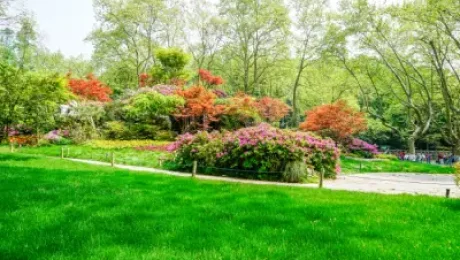
Green Garden: How to Create a Sustainable and Functional Outdoor Space
A well-planned green garden is no longer just about aesthetics. It has become an essential part of modern living, especially in urban environments where natural spaces are limited. Whether it is a residential property, a corporate campus, or an institutional space, a green garden improves both environmental quality and usability.
Creating a green garden requires more than planting trees and shrubs. It involves planning, design, execution, and long-term maintenance. When done correctly, it becomes a structured outdoor system that supports sustainability, comfort, and functionality.
What is a Green Garden and Why Does It Matter?
A green garden refers to a well-designed outdoor space that integrates plants, soil systems, and functional elements in a sustainable way. It is not just about greenery, but about how that greenery performs over time.
In cities, where pollution and heat are increasing, green gardens help improve air quality and reduce temperature levels. They also create a natural buffer between built structures and the environment.
For businesses and institutions, a green garden contributes to a better experience for employees, visitors, and residents. This is why many organizations now invest in structured outdoor spaces as part of their infrastructure.
Why Green Gardens Are Becoming Essential in Modern Projects
The demand for green gardens is increasing across different types of developments. In residential projects, a green garden adds value by improving lifestyle quality. In commercial and corporate environments, it enhances the overall atmosphere and supports employee wellbeing.
Large-scale developments such as townships and campuses also depend on proper landscape planning. A structured approach to township landscaping ensures that open spaces are not just decorative but functional.
Similarly, spaces like hospitals and educational institutions require thoughtful planning. A well-designed environment supports both usability and comfort, making institutional landscaping an important part of development.
How to Plan a Green Garden for Different Types of Spaces
A green garden should always be planned based on its purpose and location. For residential spaces, the focus is usually on usability and aesthetics. This includes lawn areas, seating zones, and planting beds.
For corporate environments, the design must balance visual appeal with low maintenance. This is where corporate landscaping services play a role in creating structured and manageable outdoor spaces.
Industrial spaces require a different approach. Here, durability and minimal maintenance are key. A properly planned system through industrial landscaping ensures that the garden remains functional without frequent intervention. Each type of space requires a different strategy, but the goal remains the same creating a sustainable and efficient green garden.
How to Grow a Garden Within a Green Garden Concept
To grow a garden within a larger green garden setup, planning is essential. The first step is understanding the site conditions. Sunlight, soil quality, and water availability all influence plant selection. Next comes layout planning. Instead of random placement, plants should be arranged based on their growth patterns and environmental needs.
Irrigation is another critical factor. A structured watering system ensures that plants receive consistent moisture without wastage. A green garden is not just about adding plants. It is about creating a system where each element supports the other.
Designing a Green Garden That Works Long-Term
A functional green garden design focuses on structure and usability. Dividing the space into zones helps maintain clarity. Lawn areas, planting sections, and pathways should be clearly defined. Plant selection should be based on climate and maintenance requirements. Native plants are often preferred because they adapt better to local conditions.
Hardscape elements such as walkways and seating areas also play a role. They make the garden usable rather than purely decorative. For projects that require complete planning and execution, working with a landscape design company ensures that all elements are integrated properly.
Green Garden Ideas for Small and Large Spaces
A green garden can be developed in both small and large areas with the right approach. In smaller spaces, vertical gardening helps maximize usage. Walls can be used for planting, reducing the need for floor space.
For larger areas, zoning becomes more important. Different sections can be created for relaxation, movement, and planting. Even in compact areas, thoughtful design can create a balanced and functional environment. The key is to use space efficiently rather than filling it completely.
Execution: Turning a Green Garden Plan into Reality
Execution is where planning becomes visible. Soil preparation is one of the first steps. A balanced mix ensures proper plant growth while maintaining drainage.
Planting should follow the planned layout. Random placement leads to uneven growth and maintenance issues. Irrigation systems must be installed correctly to ensure consistent watering. Without this, even well-designed gardens struggle to perform. Professional garden development services help ensure that the execution matches the design and functions as intended.
Why Maintenance is Critical for a Green Garden
A green garden is not a one-time setup. It requires continuous care to remain functional. Regular watering, pruning, and soil management are necessary to maintain plant health. Without maintenance, even well-designed gardens lose their structure.
This is where landscape maintenance services become important. A structured maintenance plan ensures that the garden remains healthy and visually appealing over time. For larger projects, long-term maintenance contracts provide consistency and reduce the risk of neglect.
Green Garden vs Basic Gardening: What’s the Difference?
There is a clear difference between a green garden and basic gardening. Basic gardening often focuses only on planting. It may look good initially but lacks long-term planning.
A green garden, on the other hand, is structured. It includes design, irrigation, drainage, and maintenance planning. This difference affects performance. A structured green garden remains functional and sustainable, while basic gardening often requires frequent rework.
Common Mistakes to Avoid When Creating a Green Garden
Many green garden projects face issues due to avoidable mistakes. Poor drainage leads to water stagnation, affecting plant health. Incorrect plant selection increases maintenance requirements.
Overdesigning the space creates clutter and makes maintenance difficult. Ignoring irrigation planning results in inconsistent plant growth. Avoiding these mistakes ensures that the garden remains efficient and easy to manage.
Sustainable Practices in Green Garden Development
Sustainability is a key part of modern landscaping. Using native plants reduces water consumption. Efficient irrigation systems help manage resources better. Organic compost improves soil health without relying on chemicals. These practices not only support the environment but also reduce long-term costs. A sustainable green garden is easier to maintain and performs better over time.
Conclusion
A green garden is more than just a landscaped area. It is a structured outdoor system designed to improve functionality, sustainability, and overall experience.
From residential spaces to large-scale developments, the importance of well-planned green gardens continues to grow. With the right design, execution, and maintenance approach, any space can be transformed into a functional and lasting green environment.
- Published in Blog
Terrace Garden: The Best Way to Grow a Garden in Urban Homes
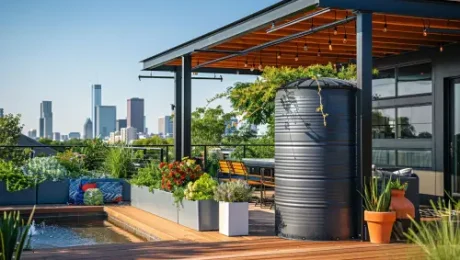
Urban living has changed the way people interact with outdoor spaces. With limited land availability, traditional gardens are becoming difficult to maintain, especially in cities. This shift has made the terrace garden a practical and effective solution for bringing greenery into everyday life.
A terrace is no longer just a structural element of a building. When planned properly, it becomes a functional outdoor environment where design, sustainability, and usability come together. For homeowners and institutions alike, the goal is simple to grow a garden that is both manageable and meaningful.
Why a Terrace Garden Works Better in Urban Conditions
The need for terrace gardens is driven by real constraints. Urban homes rarely have open ground space, but rooftops are almost always available. This makes the terrace the most accessible area for creating a green environment.
A well-designed roof terrace garden also improves the building itself. Plants help reduce heat absorption, which in turn lowers indoor temperatures. Over time, this contributes to a more comfortable and energy-efficient space.
Beyond function, there is a lifestyle shift. People are looking for spaces that allow them to step away from enclosed environments. A terrace garden offers that transition an open, breathable area within the same property.
How to Grow a Garden on a Terrace Without Complications
To successfully grow a garden on a terrace, the process must begin with understanding the space rather than directly focusing on plants.
Every terrace has its own conditions. Sunlight exposure varies throughout the day, and wind patterns differ based on building height and surroundings. These factors influence plant selection and layout decisions.
Water access is another critical element. Without a proper system, maintenance becomes inconsistent. At the same time, poor drainage can lead to water accumulation, affecting both plants and the building structure.
A terrace garden works best when it is treated as a system where space, water, sunlight, and structure are aligned from the beginning.
How to Prepare a Garden Bed to Grow Flowers on a Terrace
Plant health depends on the quality of the base. Knowing how to prepare a garden bed to grow flowers is essential, even in a terrace setup.
Soil used on terraces should be lightweight yet nutrient-rich. A balanced mix of red soil, compost, and sand allows proper aeration while supporting plant growth. Heavy soil should be avoided, as it increases load and affects drainage.
Drainage must be built into every planting system. Containers or beds should allow excess water to flow out easily. Without this, roots are damaged, and maintenance becomes difficult.
Spacing also plays an important role. Overcrowded planting may look dense initially, but it leads to long-term issues. Proper spacing ensures that plants grow evenly and remain healthy.
What Makes a Terrace Garden Design Effective
A functional terrace garden design is based on clarity, not complexity. Instead of filling the space with plants, it focuses on how the area will be used.
Dividing the terrace into zones helps maintain structure. A planting area, a movement path, and a seating space create a balanced layout. This approach makes the terrace more usable rather than purely decorative.
Plant placement should follow natural conditions. Sunlight exposure and airflow should guide where each plant is positioned. This reduces maintenance effort and improves plant longevity.
A well-designed terrace garden feels organized, comfortable, and easy to maintain.
Terrace Garden Ideas for Small and Compact Spaces
- A lack of space does not limit the possibility of creating a garden. With the right terrace garden ideas, even compact areas can be transformed.
- A small roof terrace garden benefits from vertical planning. Walls can be used for planting, freeing up floor space. This approach keeps the layout open while still adding greenery.
- In a small home terrace garden, simplicity is more effective than adding too many elements. A clean arrangement of plants, combined with open space, creates a more functional environment.
- Choosing lightweight containers and manageable plant varieties also helps maintain balance and reduces maintenance effort.
What You Need to Know Before Setting Up a Roof Terrace Garden
A roof terrace garden depends on proper technical preparation. Ignoring this stage often leads to long-term issues.
Waterproofing is essential. It prevents water from seeping into the structure below. This step should always be completed before any garden installation.
Drainage planning ensures that water does not accumulate. Proper slopes and outlets are necessary to maintain flow.
Weight management is another important factor. Soil, water, and containers all contribute to the load on the structure. Using lightweight materials helps maintain safety without compromising functionality.
These elements are not visible, but they are critical to the success of the garden.
Terrace Garden vs Ground Garden: A Practical Comparison
Terrace gardens and ground gardens serve the same purpose but function differently. Ground gardens rely on natural soil and larger open areas. Terrace gardens depend on designed systems for soil, irrigation, and drainage. However, terrace gardens offer greater control. Every element from layout to plant selection is planned according to specific needs.
In urban environments, this flexibility makes terrace gardens more practical than traditional ground gardens.
Maintaining a Terrace Garden Without Increasing Effort
- Maintenance is often seen as a challenge, but it becomes manageable when the garden is planned correctly.
- Watering should follow a consistent schedule. Overwatering can damage roots, while irregular watering affects growth. Balance is key.
- Pruning helps maintain plant structure and encourages healthy growth. It also prevents overcrowding, which can lead to maintenance issues.
- Regular observation allows early detection of problems, reducing the need for intensive interventions.
- A well-designed terrace garden simplifies maintenance rather than increasing it.
Common Mistakes That Affect Terrace Gardens
- Many terrace gardens fail due to avoidable errors.
- Poor drainage is one of the most common problems. It leads to water stagnation and affects both plants and structure.
- Incorrect plant selection increases maintenance requirements and reduces plant survival.
- Overloading the terrace with heavy materials creates structural risks. Lack of planning often results in cluttered spaces that are difficult to manage.
- Avoiding these mistakes ensures that the garden remains functional and sustainable.
Why Sustainability Matters in Terrace Gardening
Sustainability improves both performance and long-term efficiency. Using plants suited to the local climate reduces water consumption. Efficient irrigation systems help maintain consistency without wastage.
Organic compost can be used to improve soil health naturally. Reducing chemical usage makes the garden safer and easier to maintain. A sustainable terrace garden is not only environmentally responsible but also more practical over time.
Conclusion
A terrace garden is not just an aesthetic addition. It is a practical solution for urban spaces where land is limited but the need for greenery remains strong.
With the right design, preparation, and maintenance approach, any rooftop can be transformed into a functional outdoor space. Whether large or small, a terrace garden offers flexibility, sustainability, and long-term usability.
Because in many ways, to grow a garden is to believe in tomorrow.
- Published in Blog