
🌿 Living Walls
VERTICAL GARDENING
Transform Walls Into Living Landscapes
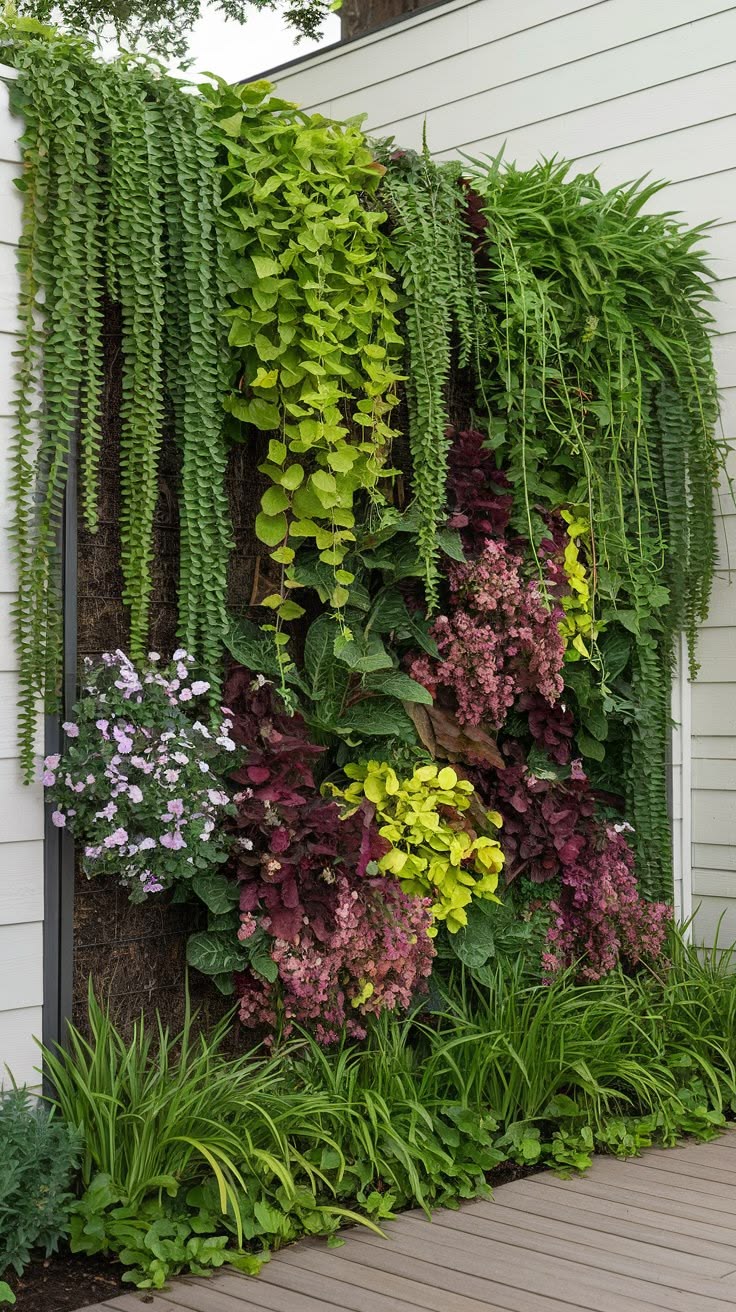
Vertical gardening is an innovative technique that allows plants to grow upward on specially designed panels and support systems, making it possible to create lush green environments even in compact urban spaces. Whether installed indoors or outdoors, vertical gardens bring nature closer while maximizing the use of limited space.
The system can range from a simple decorative green panel to an entire living wall integrated with hydroponic technology. Ideal for apartments, offices, institutions, commercial buildings, and residences, vertical gardens improve aesthetics, air quality, and environmental sustainability.
🌿 Explore a Living Wall System
Hydroponic Irrigation
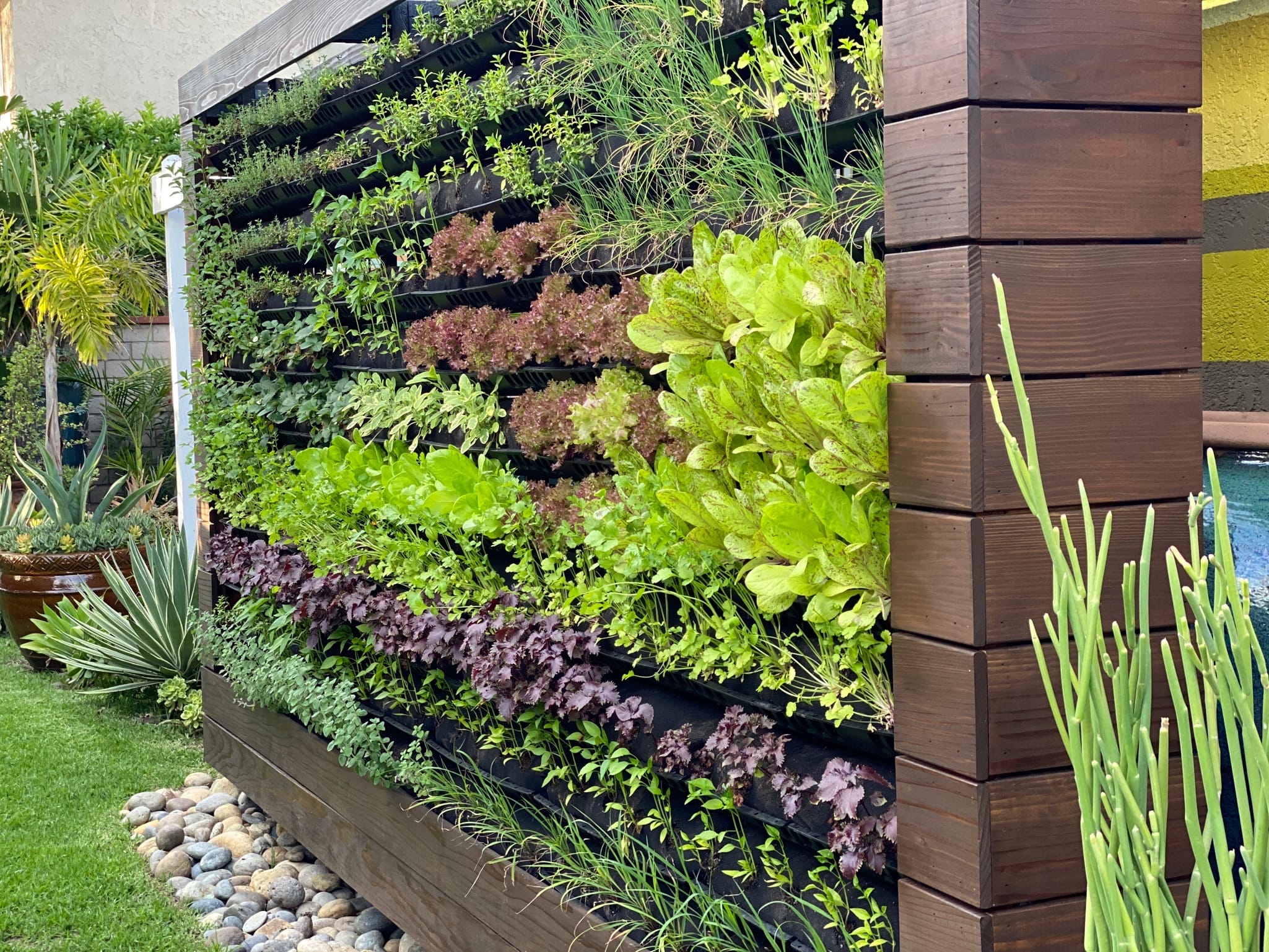
Automated irrigation delivers water and nutrients directly to plant roots while minimizing water consumption and maintenance.
Plant Pocket System
Specialized planting modules support healthy root development and enable diverse plant combinations.
Drainage Layer
Integrated drainage channels prevent water accumulation and ensure long-term system performance.
Dense Green Coverage
Creates lush living walls that improve aesthetics, air quality, and thermal comfort.
🌱 The Vertical Growth Journey
Foundation Layer
Specialized support panels and hydroponic systems create the base structure.
Growth Layer
Plants establish roots and begin developing dense foliage coverage.
Mature Living Wall
A vibrant vertical ecosystem delivering beauty and environmental benefits.
Where Can Vertical Gardens Be Installed?
🏠Homes
🏢Offices
🏨Hotels
🏥Hospitals
🎓Institutions
🛍️Commercial
Nature doesn't need more land. It only needs a place to grow.
Vertical Gardening • Green Architects
🌿
500+
Projects
💧
40%
Water Saving
🏢
100+
Installations
⭐
98%
Client Satisfaction
🌿
500+
Projects
💧
40%
Water Saving
🏢
100+
Installations
⭐
98%
Client Satisfaction
🌿 Bring Nature To Every Wall
Green Architects specializes in the design, installation, and maintenance of premium vertical gardens, living walls, and hydroponic green systems tailored to modern architectural spaces.
Request Consultation